OPTIMAL INTERACTION LUBRICANT-MACHINE IS an essential condition

Essential resources proposed as tools for lubricant management
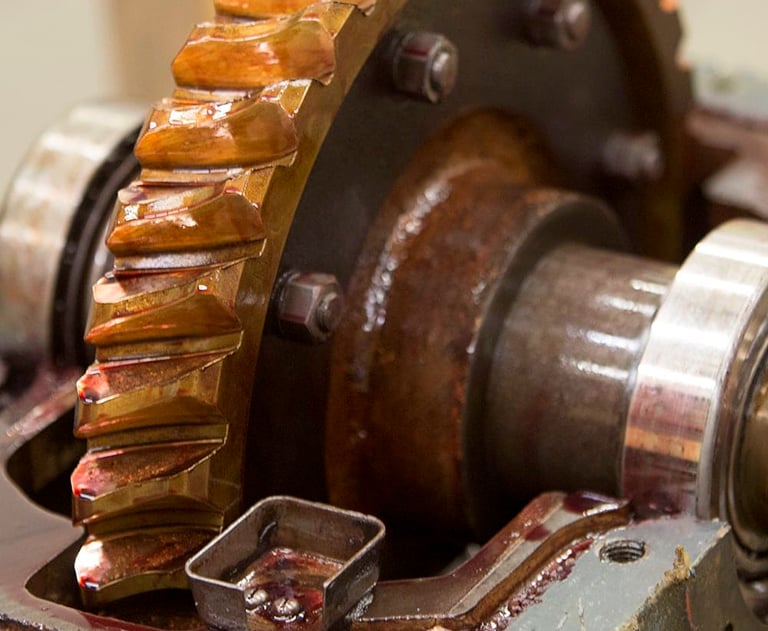
Given the fundamental role of lubricants in ensuring optimal machinery performance, it is widely recognized that from receipt in warehouses to final disposal, and especially within the machine, monitoring, traceability, and controls are required to ensure equipment protection and guarantee the proper and professional handling.
1- Lubricant suitability for the machine
A fundamental aspect in production facilities is verifying that equipment is applying the correct lubricant according to the manufacturer's specifications for each machine.
It is common to find cases where the lubricant in service does not fully meet the equipment's design requirements. In such cases, the cause of the discrepancy and the potential risk of not strictly following the original recommendation should be analyzed.
From experience, it generally emerges as advisable to carry out this type of survey, which can eliminate any uncertainty about the lubricant in operation.


2- Review/Preparation of the Machinery Lubrication Guide
This procedure is related to the point previously described although extended to all machinery.
Such a guide must at a minimum include the following information:
• Machine identification.
• Manufacturer’s recommendation regarding the lubricants to be used.
• Designations identifying the lubricants suitable for the equipment.
Alternative options also suitable for the application may be included, if available.
• Service period of the lubricant for the oil draining hour or oil refilling.
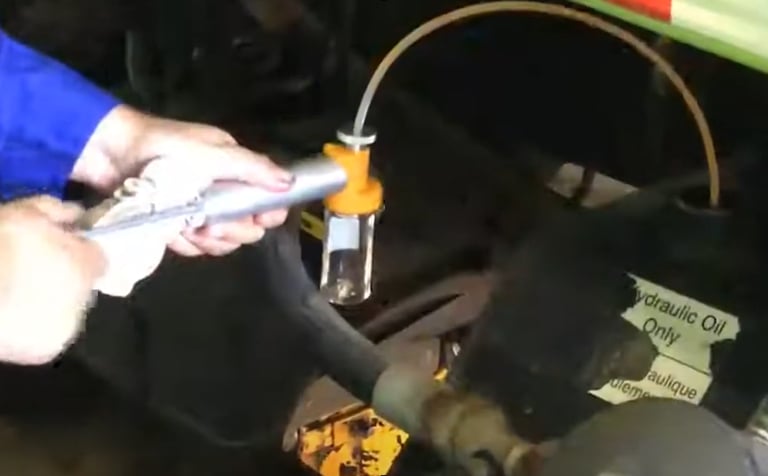
• Monitoring and evaluation of the lubricant in service (laboratory controls), sampling frecuency and sample extraction points.
• Other maintenance controls related to the lubricant.
Lubrication guides are usually applied since they represent a fundamental document in the operation of productive equipment.


3- Evaluation of lubricant performance and its capability under conditions of extreme severity and higher risk of failure.
Heavy industries such as steel mills, metallurgical plants, cement factories, and similar facilities, place extremely demanding conditions due to very high temperatures or presence of contaminants (water, particles, or others), making it difficult to ensure proper lubrication.
It is also often observed that lubricant monitoring is carried out with inappropriate frequency, or that sampling is not adequately adapted to the prevailing adverse operating conditions.
In such cases, the risk of unscheduled maintenance shutdowns consequently increases, with the undesirable impact on production.
For these situations, it is recommended to perform an intensive evaluation that involves all operating conditions of the machine and the survey of all variables that must be associated, always verifying the actual suitability of the lubricant in service.




4- Review and study of the use of lubricants outside the design recommendation and whose performance does not ensure reliable lubrication.
These situations frequently arise with the application of lubricating greases, but they also occur with industrial oils.
In such cases, lubricants marketed under the claim of being “specially designed” for certain applications of high operational severity are often used.
These special lubricants usually increase lubrication costs considerably, although this may be disregarded if their use makes operation more reliable and minimizes unscheduled shutdowns of the production line.
However, in many instances the expected performance is not achieved, and the “Cost/Benefit” ratio of employing such special lubricants proves unsustainable. In these situations, it is advisable to deepen the review and study of the case in order to achieve optimal lubrication.
5- Verification and monitoring of lubricant in service
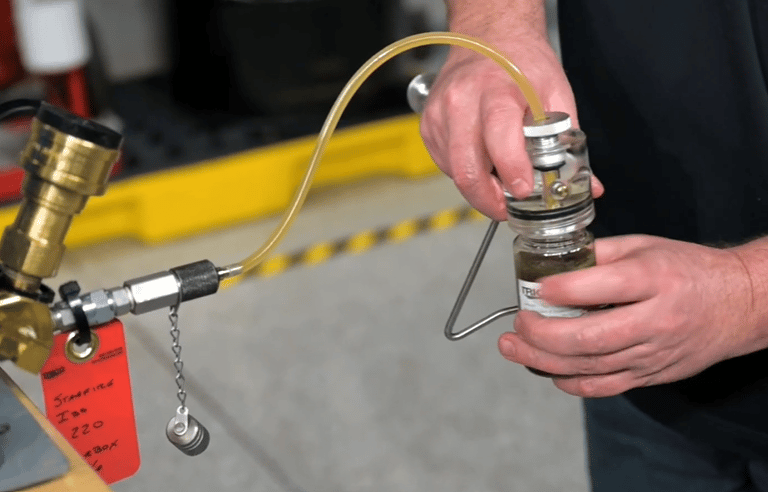
As it is widely accepted by users of industrial equipment, whether stationary or mobile, there is no way to ensure machinery protection without regularly verifying the physical and chemical condition of the lubricant.
This practice is typically facilitated by lubricant distributors and it is in fact a very reliable and accessible service.
There are also other analytical service options offered by third-party laboratories that generally have years of experience specialized in oil testing.
In many cases, it is observed that the industry primarily relies on the lubricant supplier and only occasionally on third-party laboratories.
It It is normally observed that the industry relies mainly on the lubricant supplier and occasionally on third-party laboratories, all of which are considered appropriate as control measures.
For its part, Lubricant Expertise may assist the user in the exceptional need to resort to highly specialized laboratories such as SWRI – Southwest Research Institute, San Antonio, Texas – or other technology centers in order to obtain absolute and referential information that enables them to discern or confirm performance under certain operating conditions. In such cases, the user will be provided with recommendations to be taken into account to achieve effective sampling and to request the tests that should be carried out.
6- Verification of lubricant stocks in storage, quality preservation, possibilities for full use and rationalization.
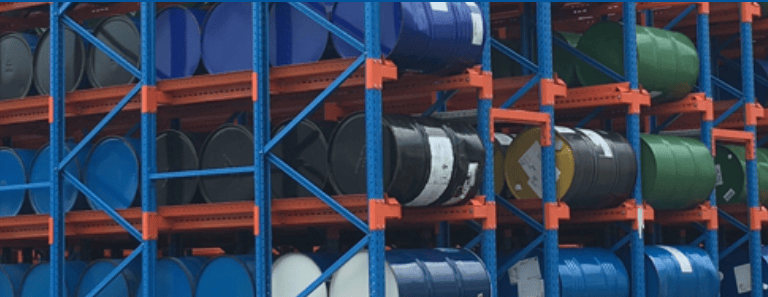
Lubricants are frequently found in warehouses as slow-moving inventory, representing practically immobilized capital that could generate significant losses if storage conditions are inadequate and fail to ensure their preservation. There are also other cases (e.g., soluble machining oils) where the input can become obsolete due to expiration dates.
Therefore, a review of available warehouse stock can be highly advisable to identify potential situations requiring action or to evaluate the possibility of reusing unused lubricant.
Regarding the aforementioned rationalization of inputs, it is sometimes possible to unify lubricants for applications that allow it, without compromising machine performance.
7- Training in lubricants. Chemical composition and specific technical standards required for the applications corresponding to each industry or activity.
The specific functions of each lubricant being used, its proper application in machinery, monitoring during use, and safe handling are some of the topics of interest for maintenance personnel.
For this activity, it is suggested to plan the schedule, duration, and the topics that are most appropriate and aligned with the operational needs of each productive or service activity.


The service proposals described are some of the strategic actions that should always be considered by the equipment maintenance department. Lubricant Expertise will assist qualified specialists in exploring and identifying possible solutions for specific needs related to lubricant application, as well as address in-depth operational issues associated with lubrication.